
Hyperaccumulators is an ongoing sculptural series based on plants capable of absorbing unusually high concentrations of heavy metals from contaminated soil. Drawn from field research and direct exploration of polluted and post-industrial landscapes, the works are based on species documented in environments marked by extraction, waste, and long-term toxicity. These plants are approached not simply as botanical specimens, but as active agents inhabiting damaged ground and participating in processes of transformation and repair.
Certain hyperaccumulator species can take up metals such as zinc, cadmium, or nickel through their roots and store them in their stems and leaves at concentrations that would be toxic to many other plants. Because of this ability, they have become important to scientific research on phytoremediation: the use of plants to stabilize, extract, or gradually reduce contaminants in the soil. What interests this project, however, is not only their practical function, but the philosophical and political implications of their existence. These plants make visible a form of life that does not stand apart from pollution, but survives within it, metabolizes it, and reveals the possibility of remediation from inside the wound itself.
Cast in bronze, the documented plants are transformed into monuments to ecological resilience. The project rethinks the language of commemoration by shifting attention away from human achievement and toward overlooked forms of nonhuman labor. In this sense, Hyperaccumulators proposes a posthuman monumentality: one that displaces the human from the center of the narrative and attends instead to vegetal agency, endurance, and collaboration across living systems. Rather than celebrating mastery, conquest, or permanence as signs of power, the works honor fragile organisms whose intelligence is expressed through adaptation, accumulation, and survival.
The series emerges from a sustained interest in the material afterlives of industrial modernity. Heavy metals do not disappear; they persist in soil and water for decades, sometimes centuries, entering food chains, altering ecosystems, and shaping the conditions of life long after the moment of extraction or contamination has passed. In this context, hyperaccumulator plants become both witnesses and participants: biological records of environmental violence, but also potential tools for ecological restoration. Their presence complicates any simple division between nature and pollution, suggesting instead that life continues through entanglement, compromise, and transformation.
Across contaminated landscapes, these species perform a slow and often invisible labor. Hyperaccumulators seeks to give cultural and sculptural form to that labor. By monumentalizing plants documented through fieldwork, the series asks how art might register processes that are normally too gradual, too silent, or too dispersed to enter public consciousness. It proposes sculpture not as a static symbol, but as a site where scientific knowledge, environmental memory, and posthuman thought can converge.
The series asks what it means to monumentalize forms of life usually overlooked, and how sculpture might register processes of repair unfolding beyond the human. In Hyperaccumulators, commemoration becomes less a matter of triumph than of attention: to toxicity, entanglement, and the stubborn regenerative capacities of living matter.
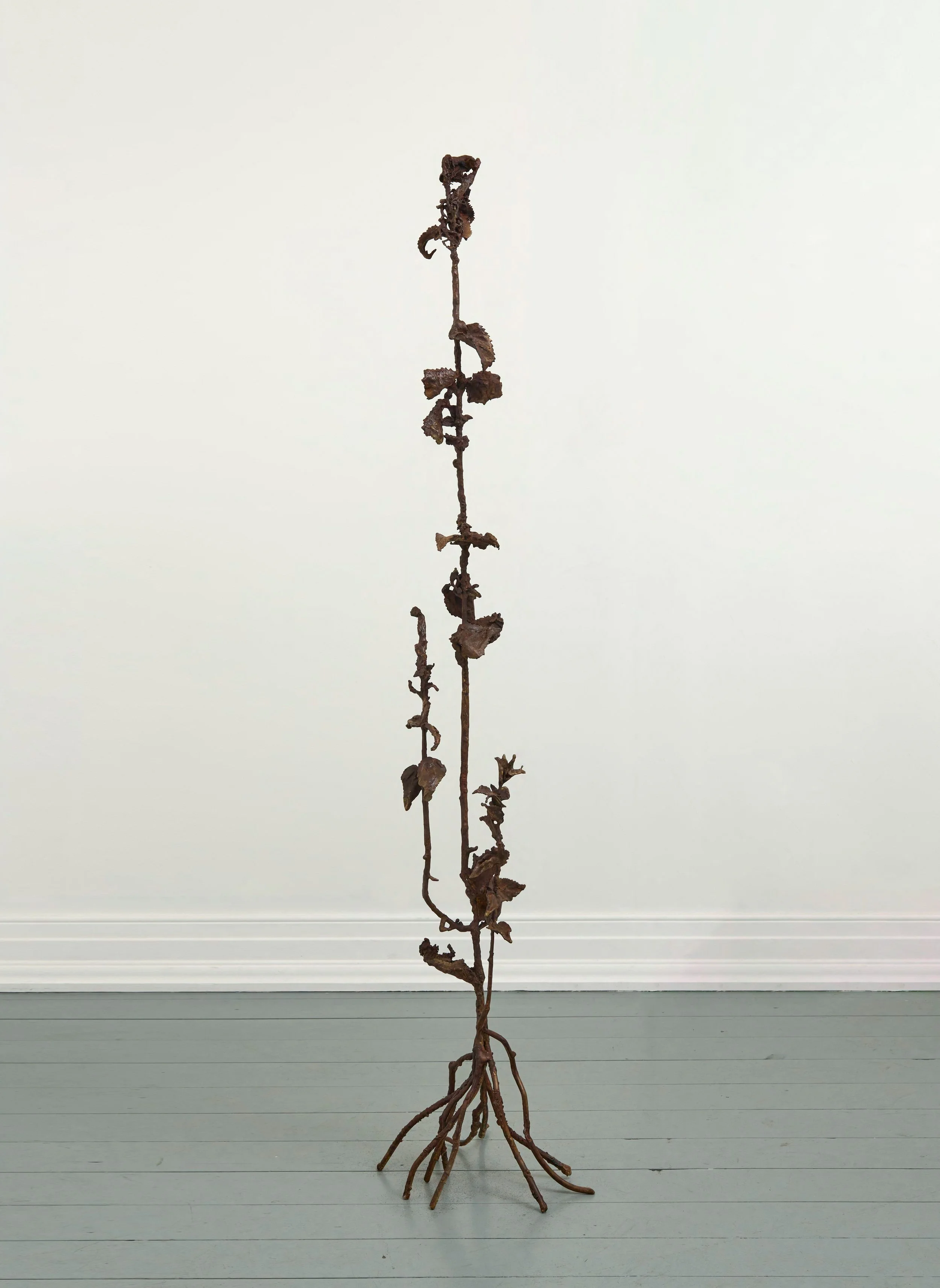
Hyperaccumulator (nettle), 2024, 170 cm tall, bronze
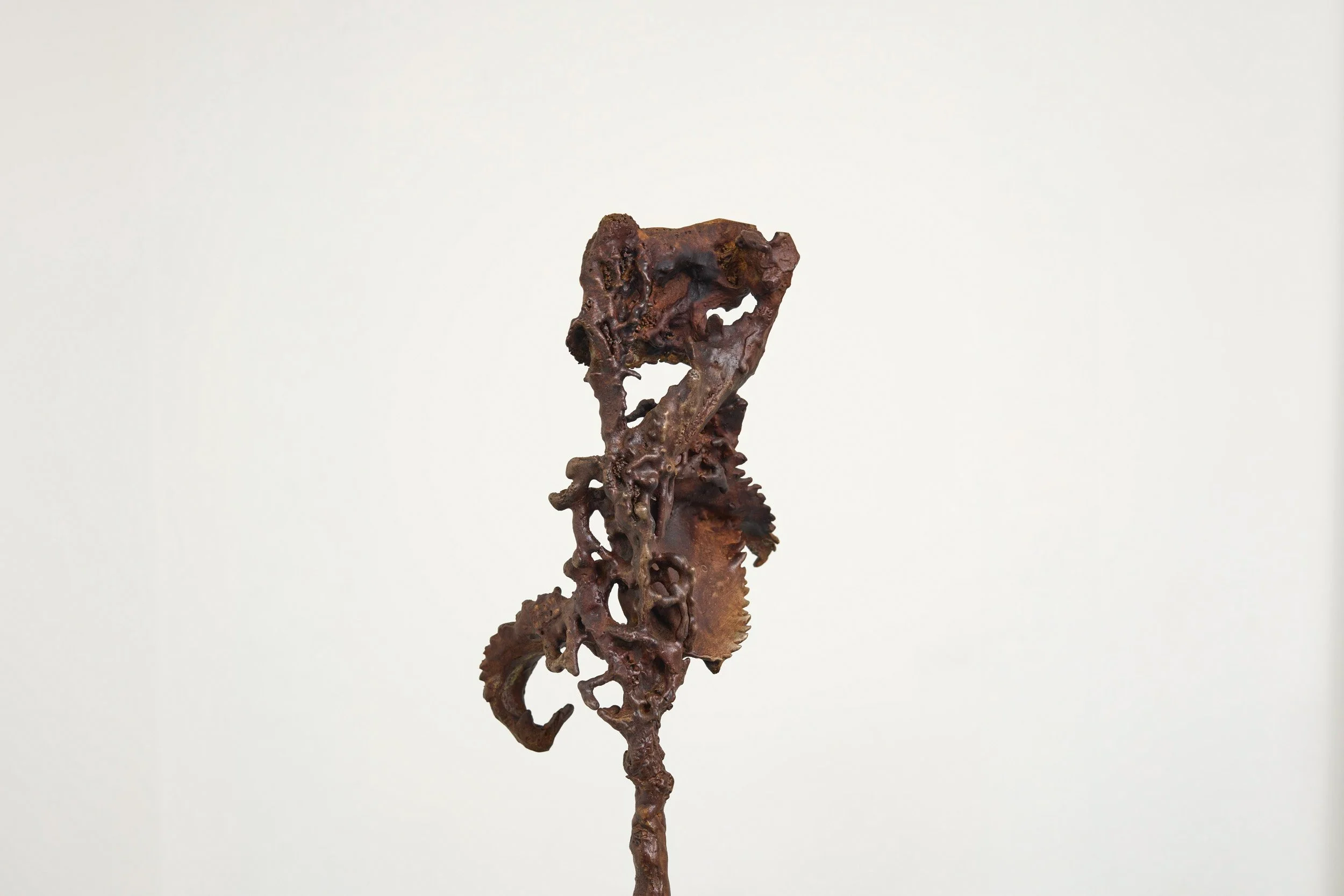
Hyperaccumulator (nettle), 2024
bronze
170 cm tall (detail)
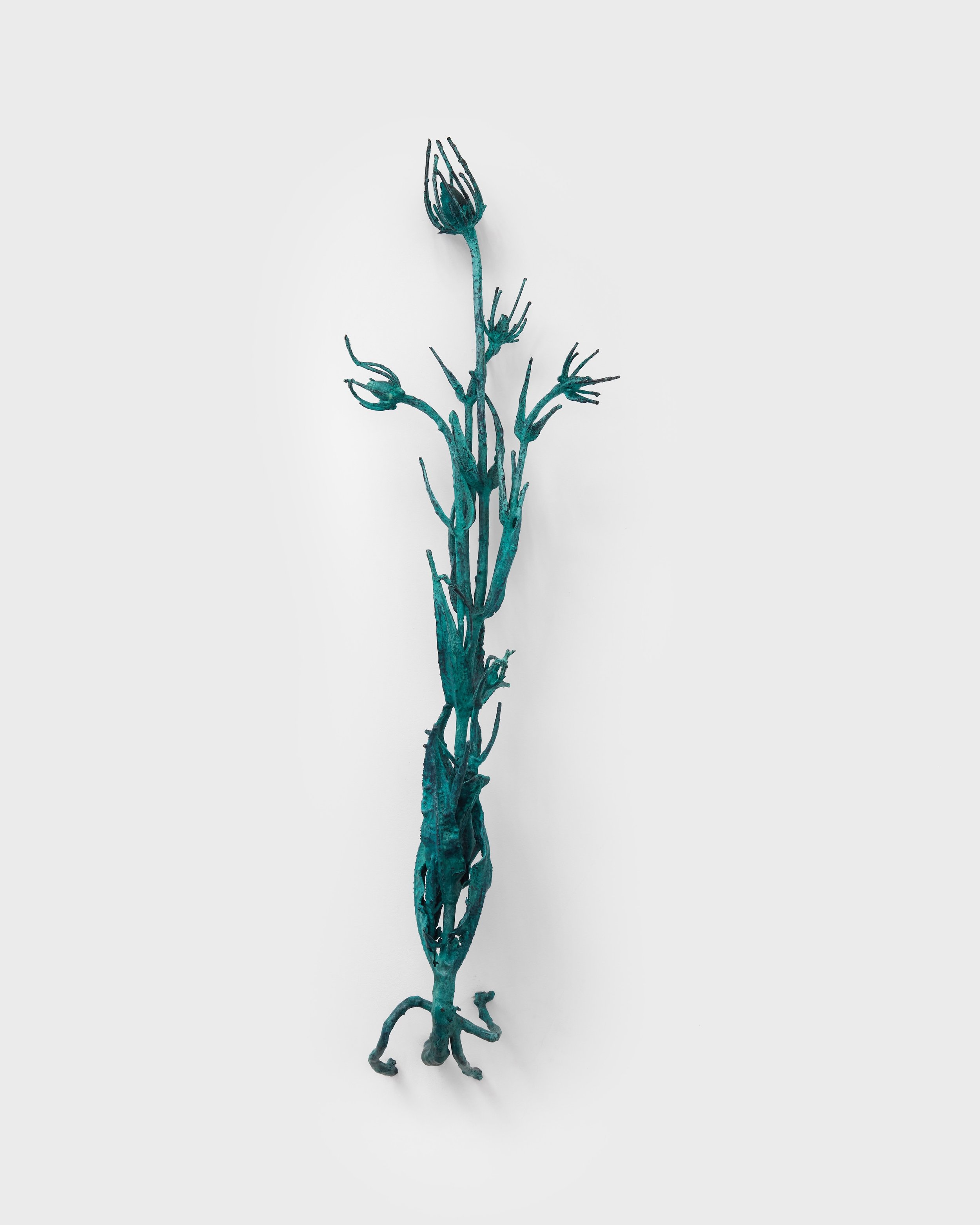
Hyperaccumulator (IX), 2025
bronze
110 x 33 x 24 cm
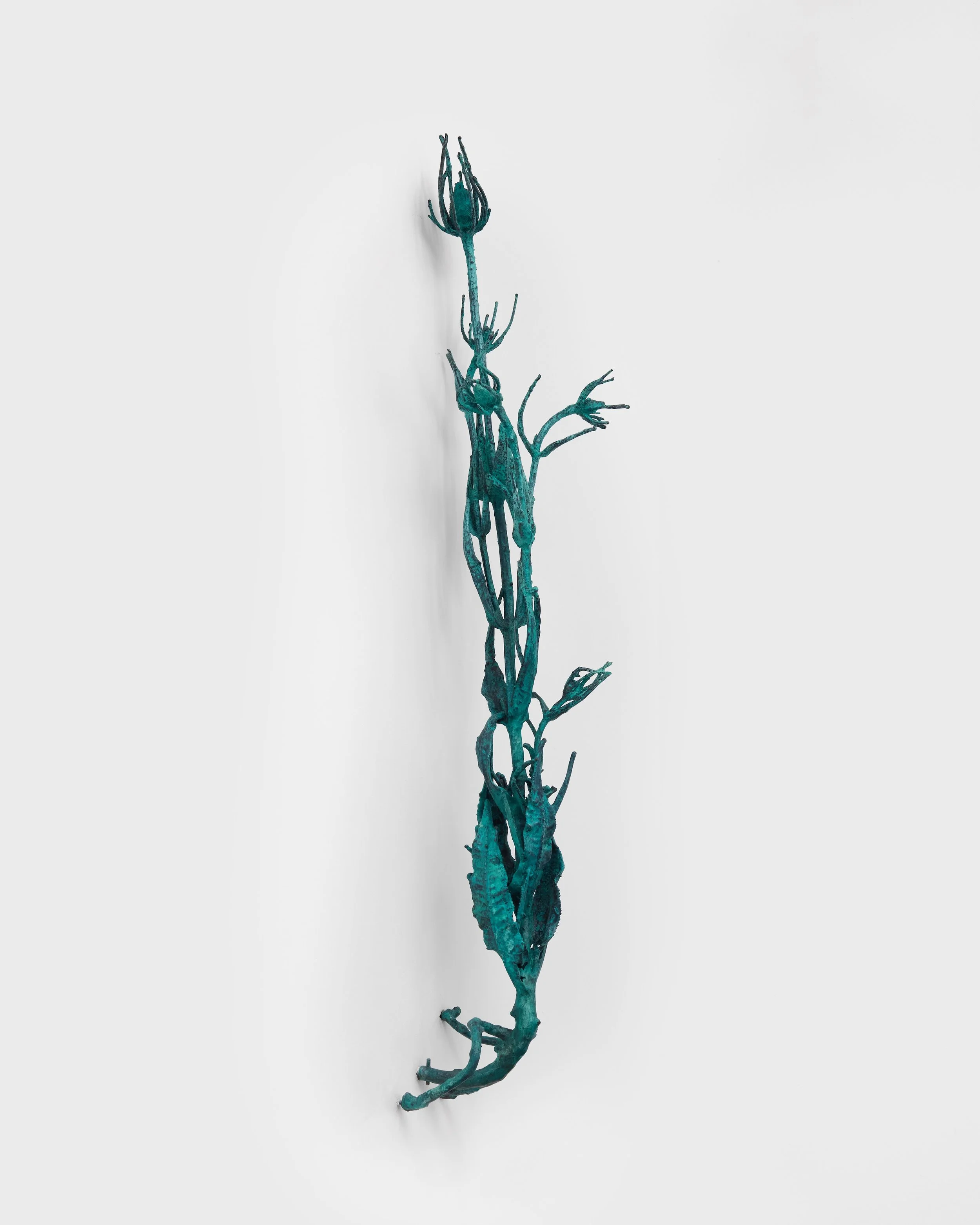
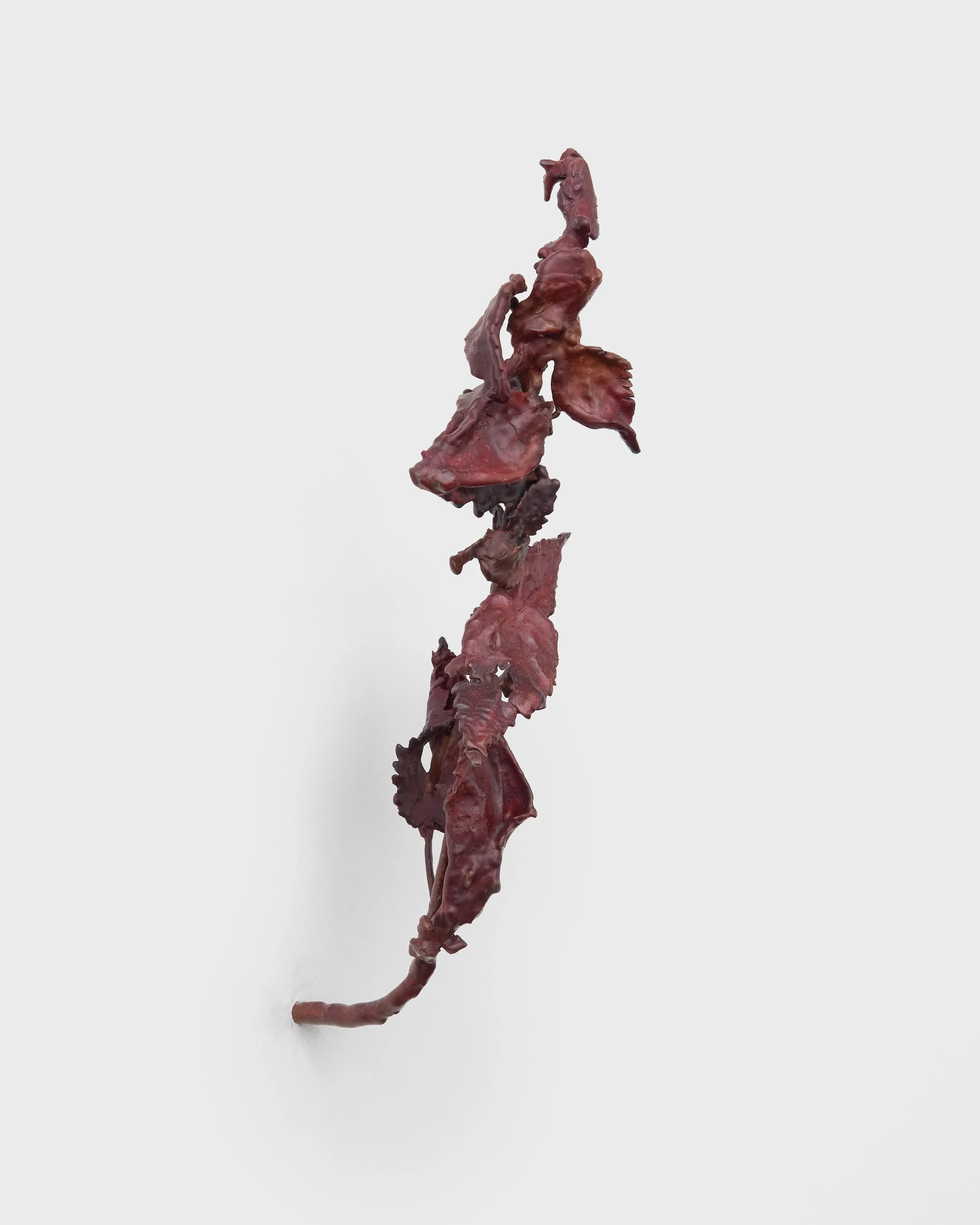
Hyperaccumulator (XIV) , 2025
bronze
42 x 28 x 14 cm
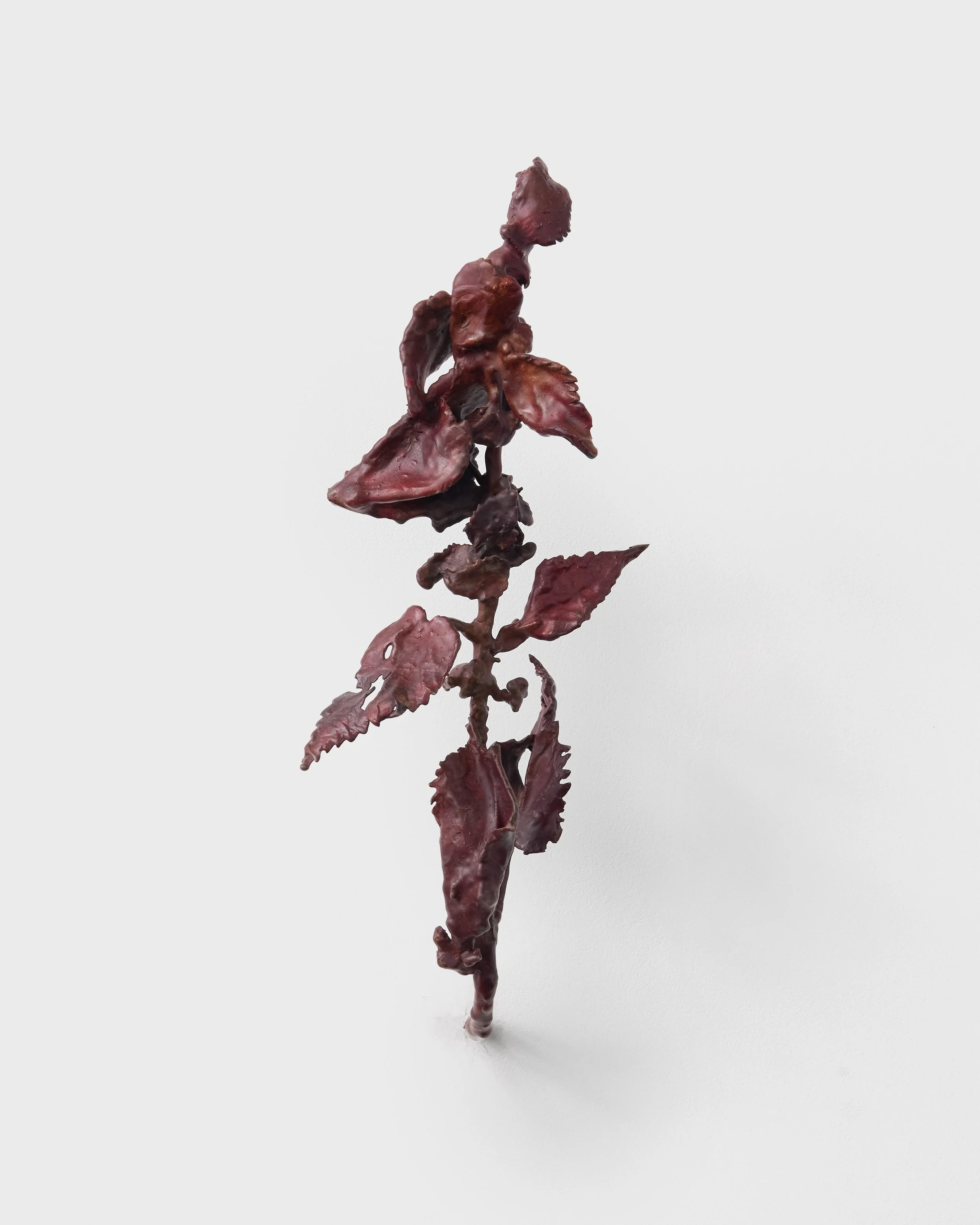
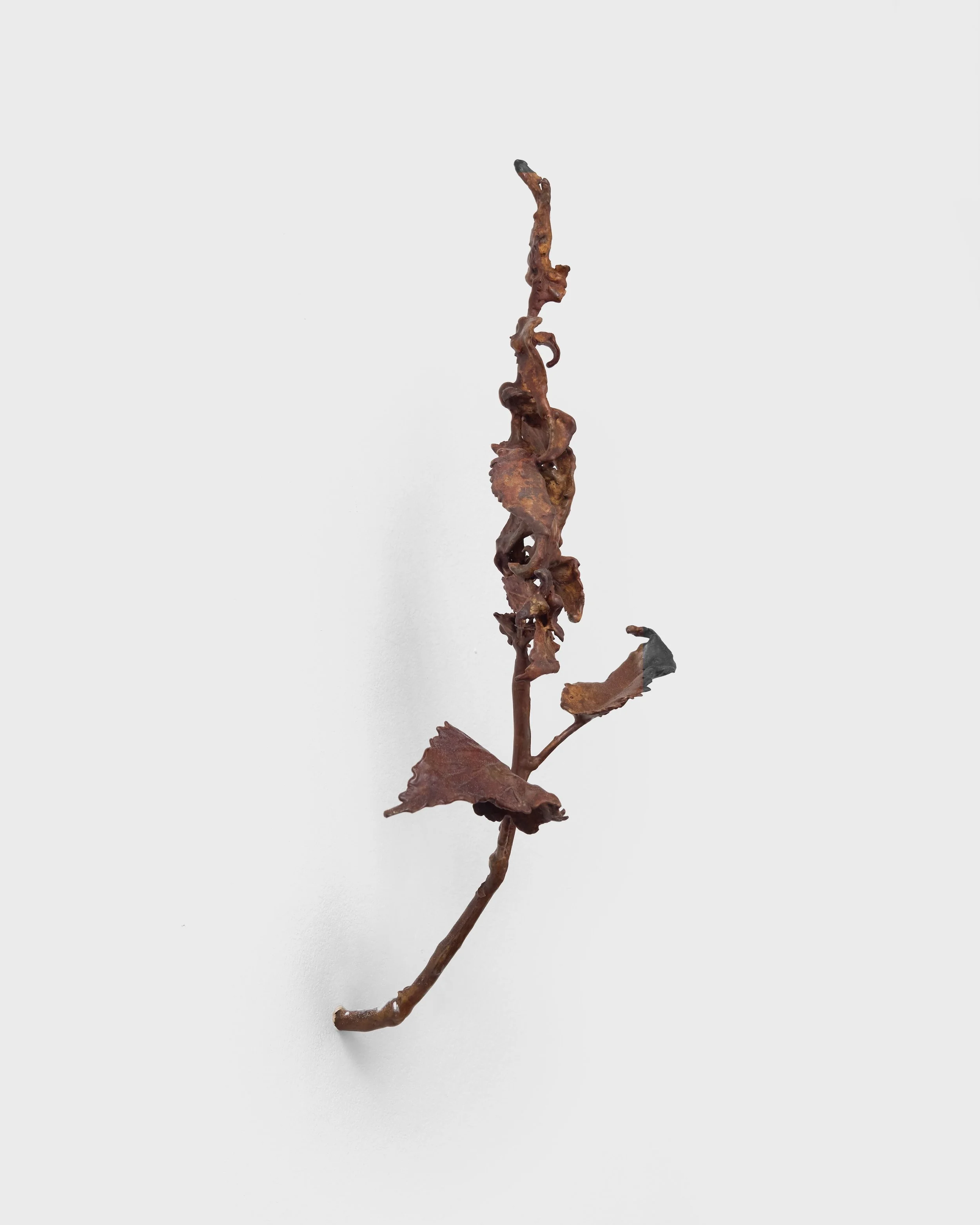
Hyperaccumulator (XV), 2025
bronze
50 x 25 x 15 cm
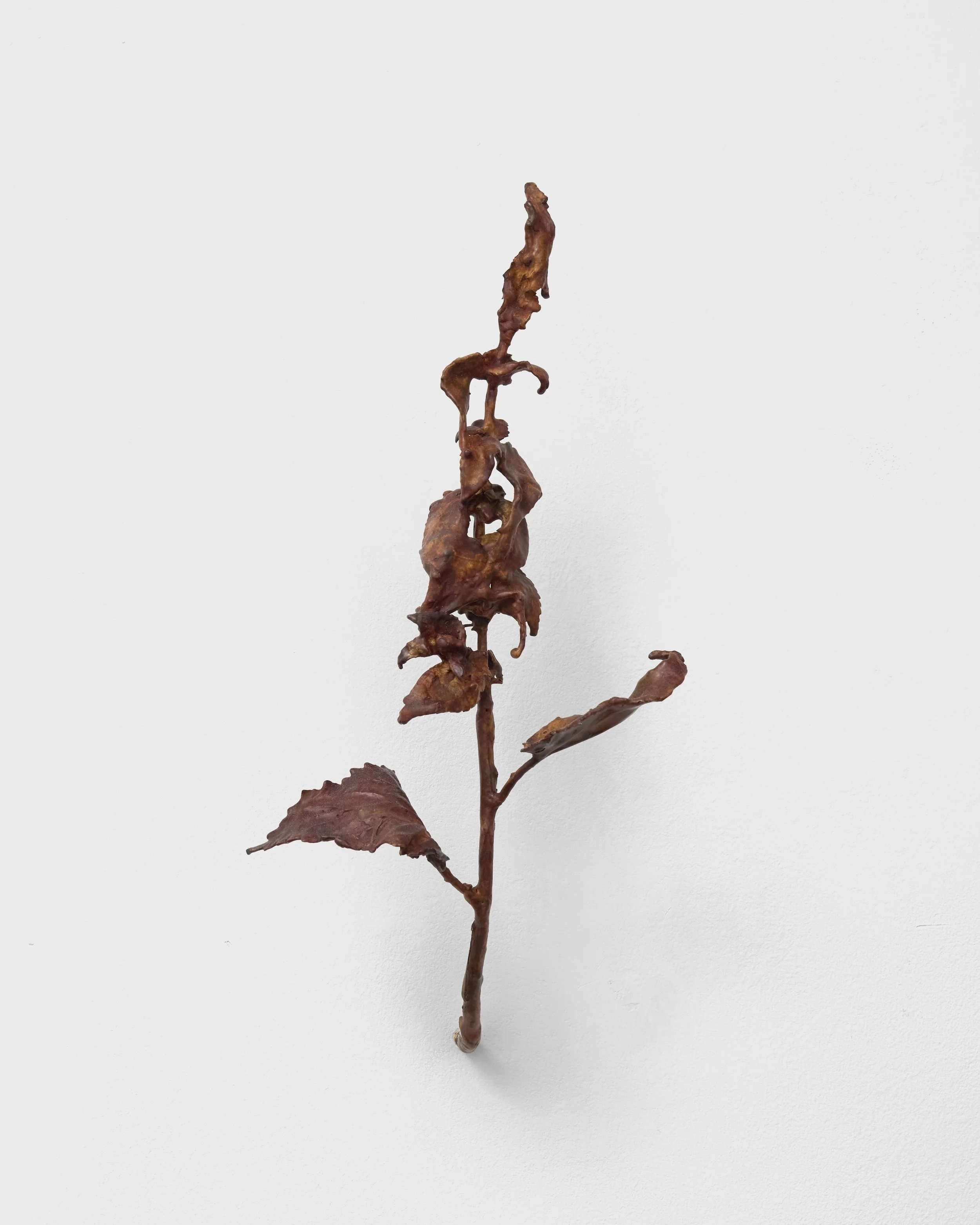
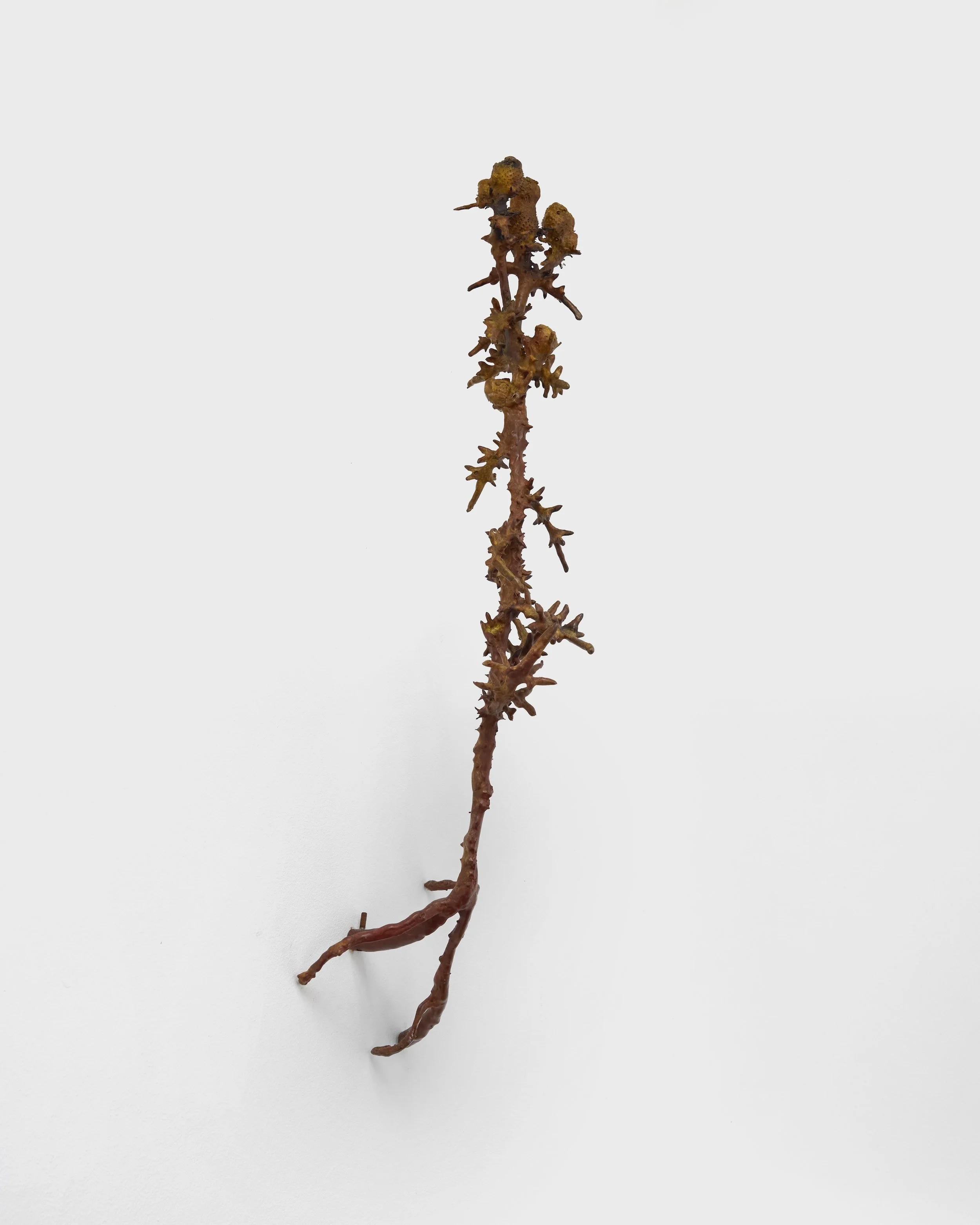
Hyperaccumulator (XI), 2025
bronze
75 x 20 x 22 cm
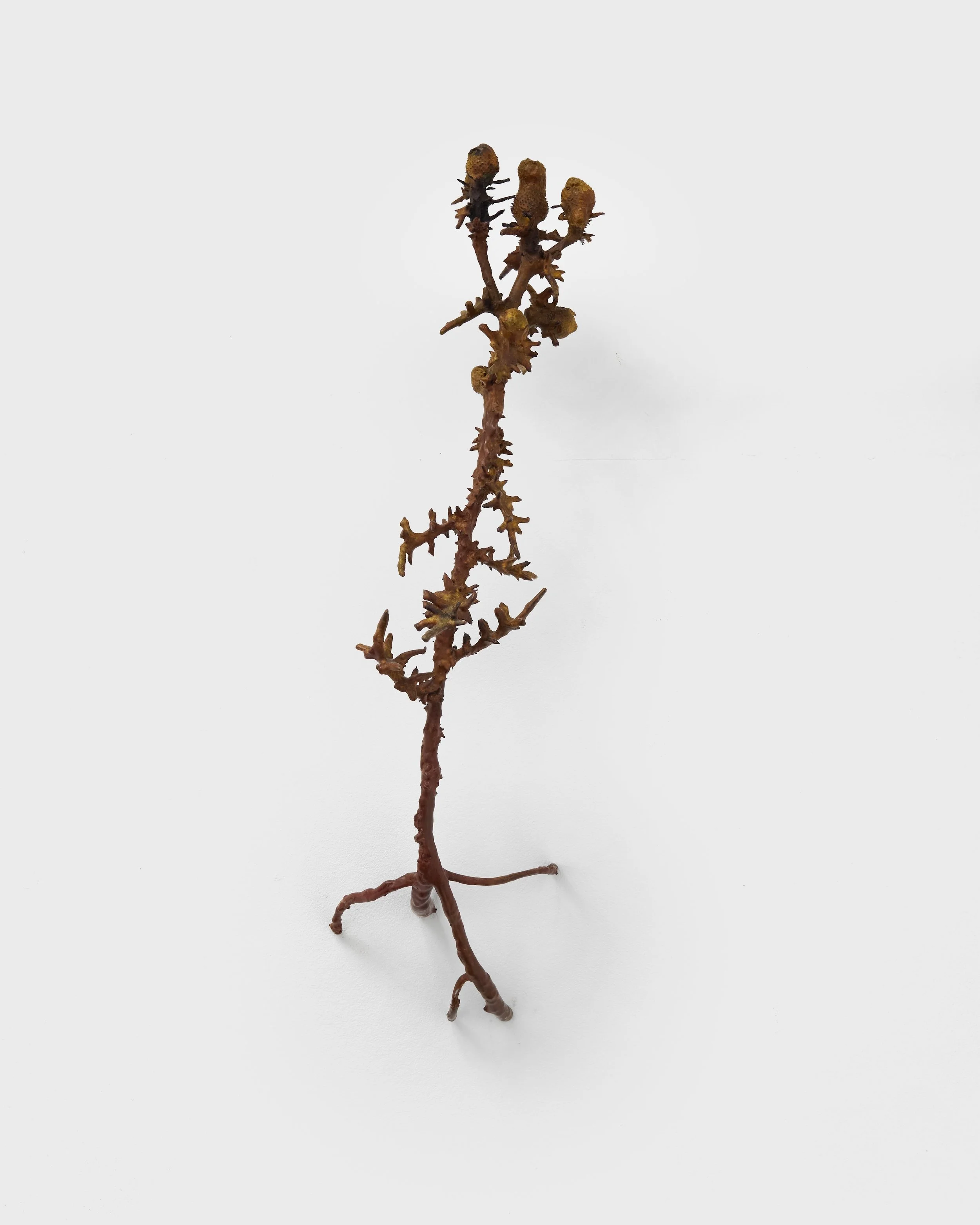
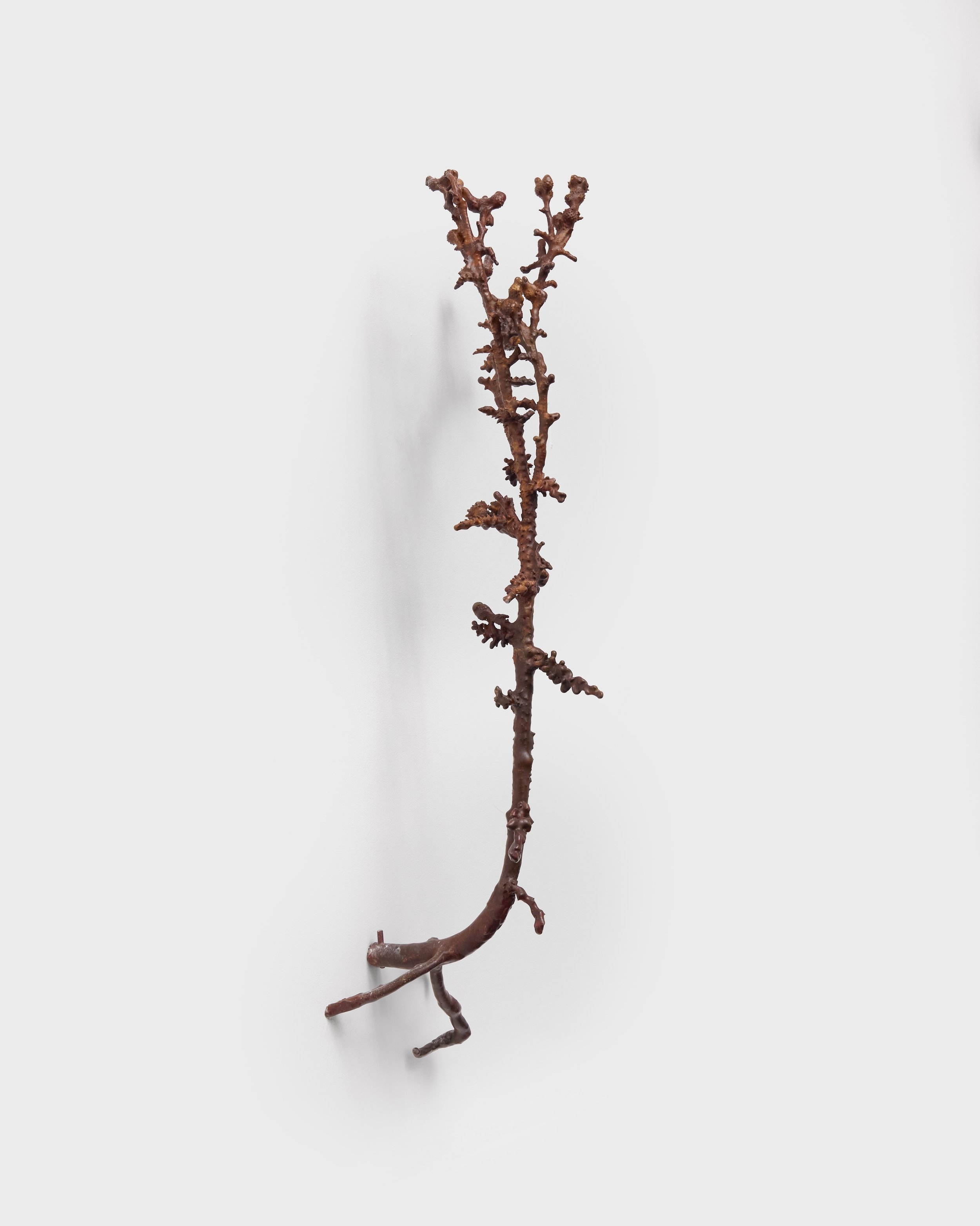
Hyperaccumulator (XVI) , 2025
bronze
71 x 23 x 23 cm
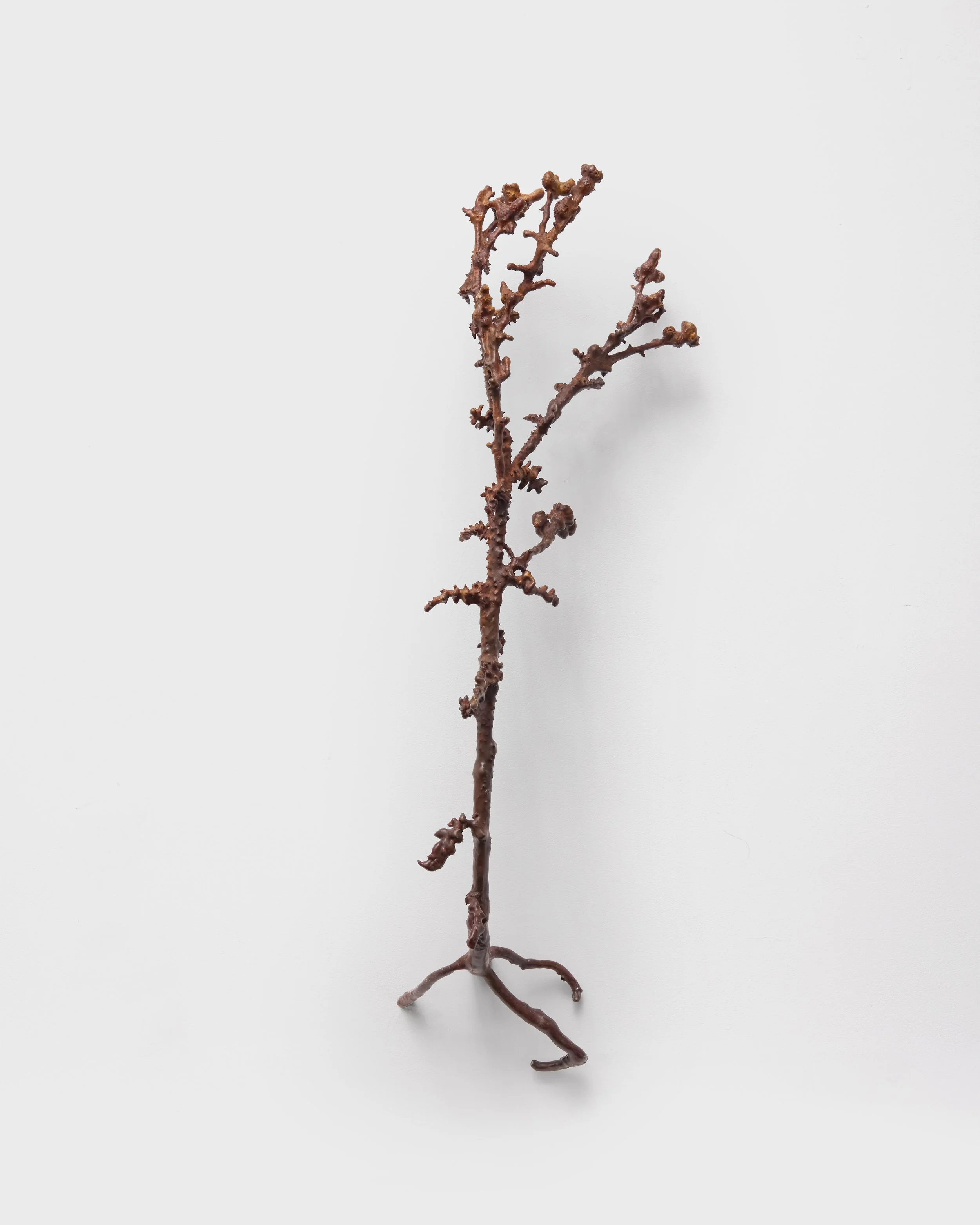
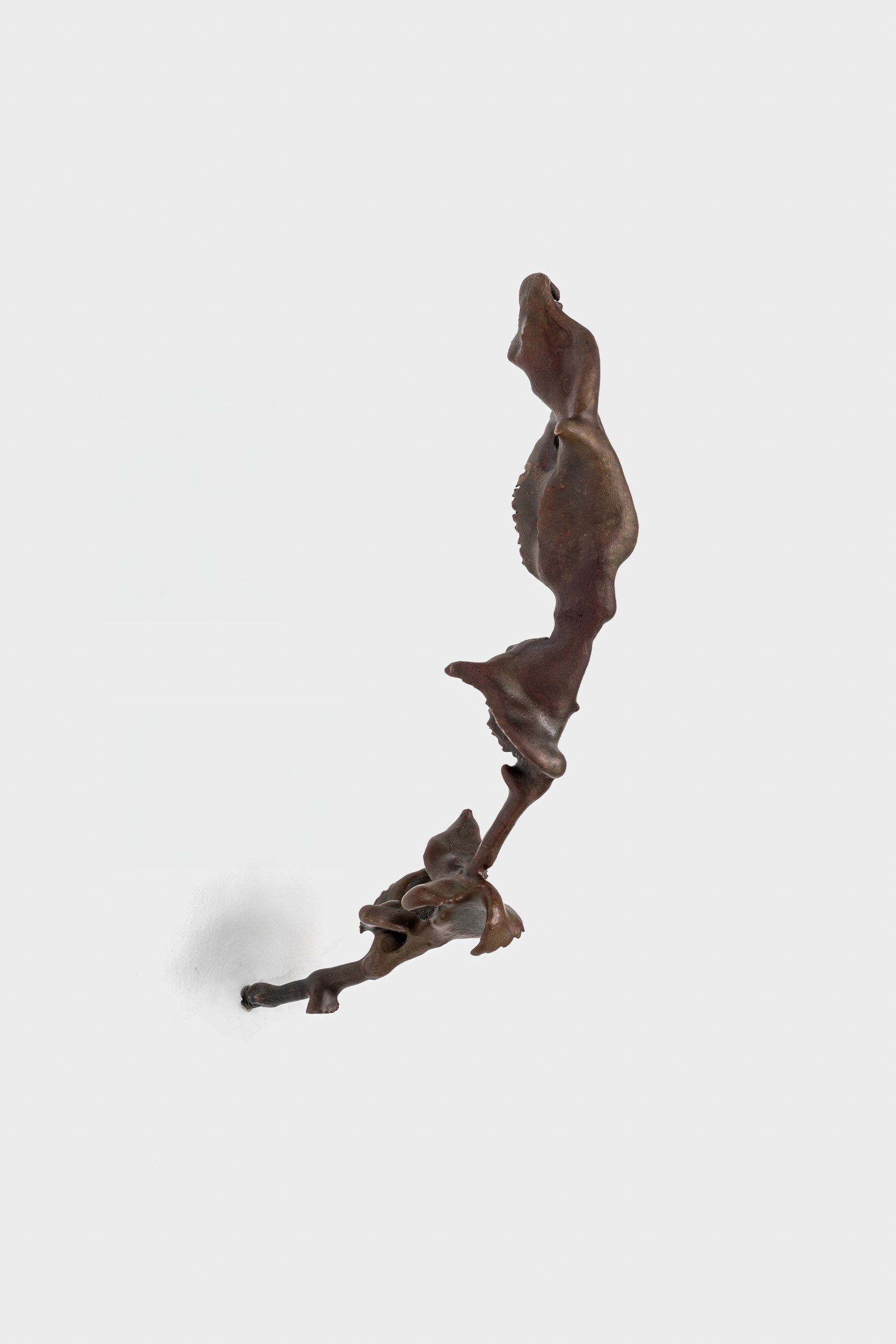
Hyperaccumulator (V), 2025
bronze
20 × 5 × 10 cm
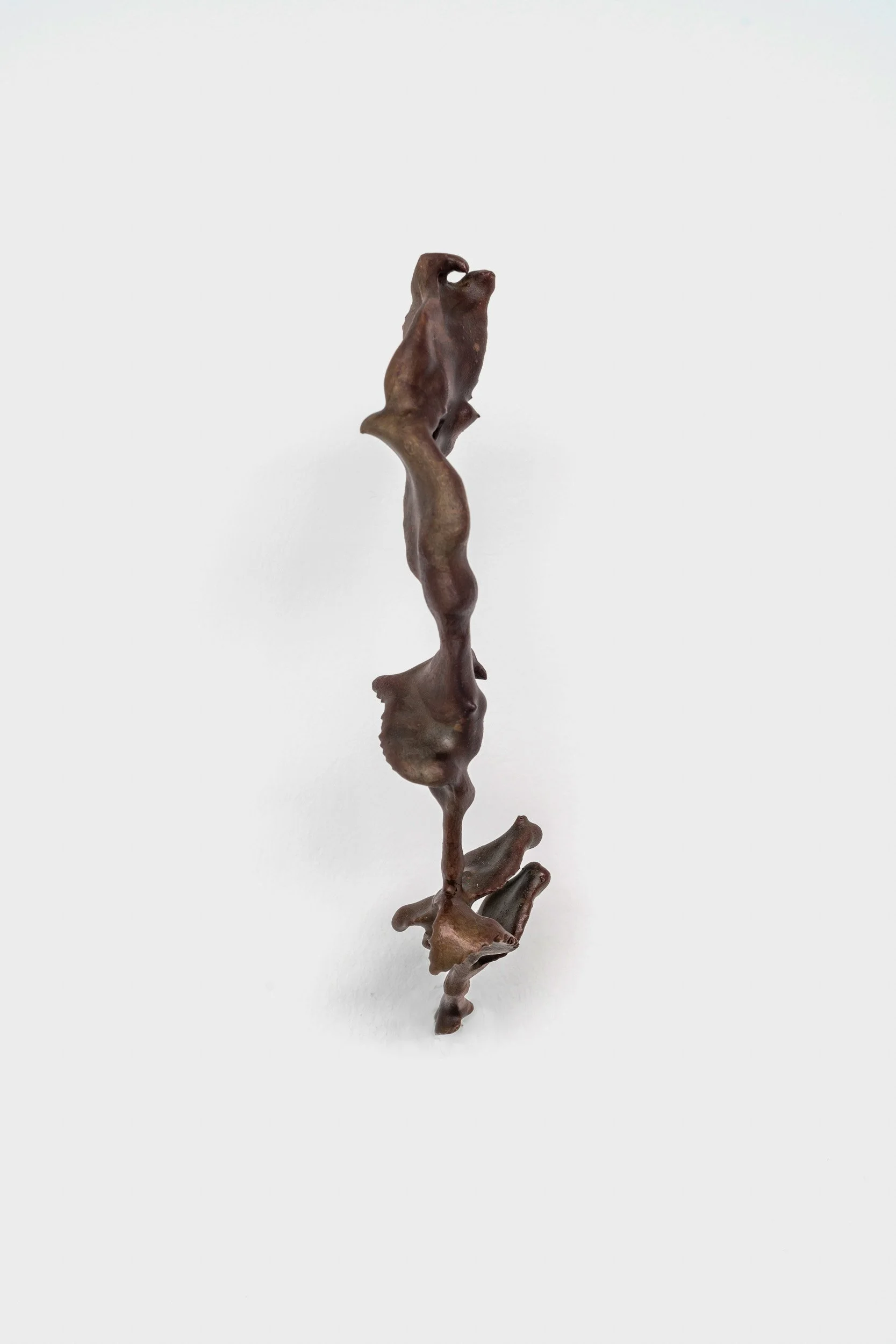
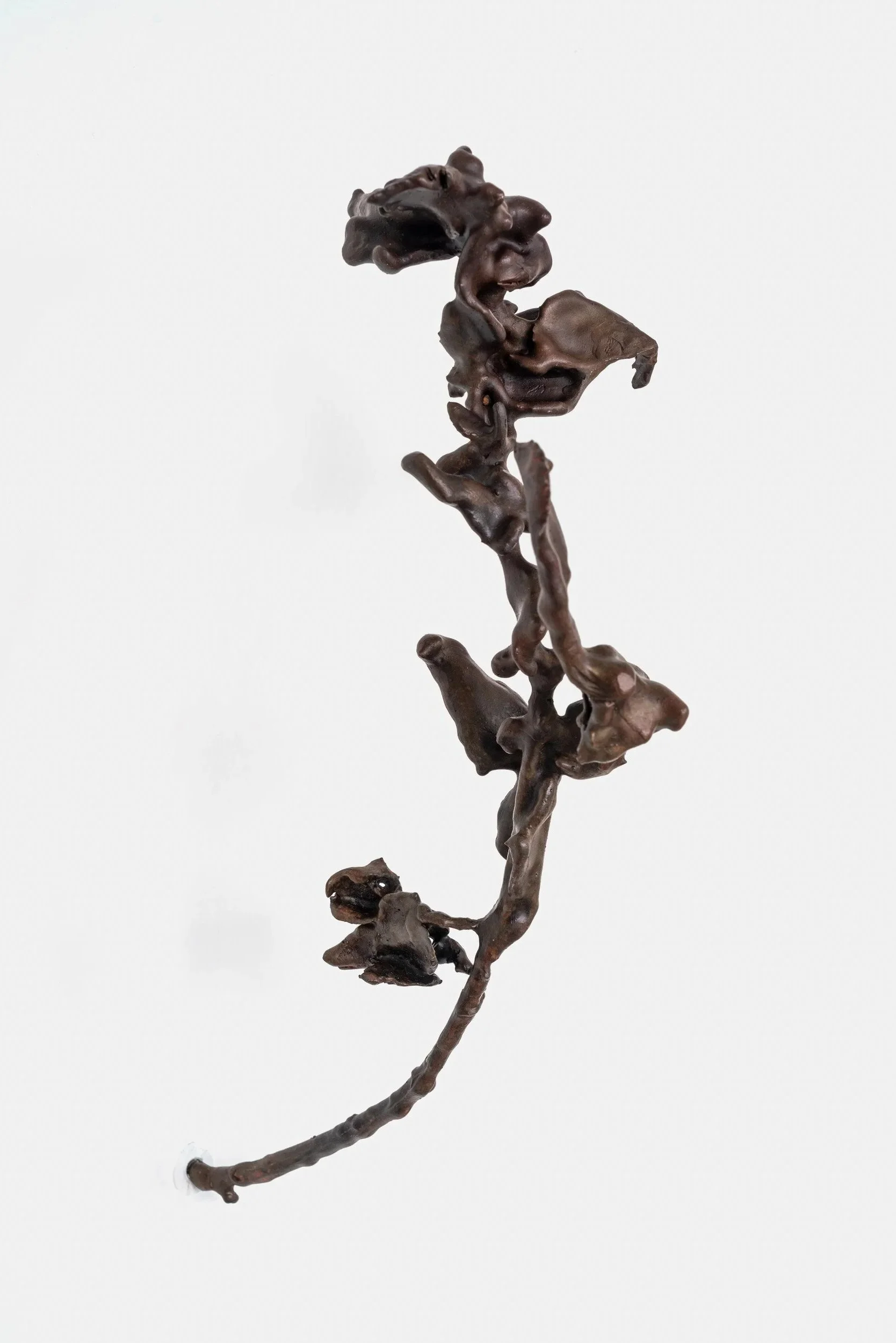
Hyperaccumulator (IV), 2024
bronze
42 × 12 × 13 cm
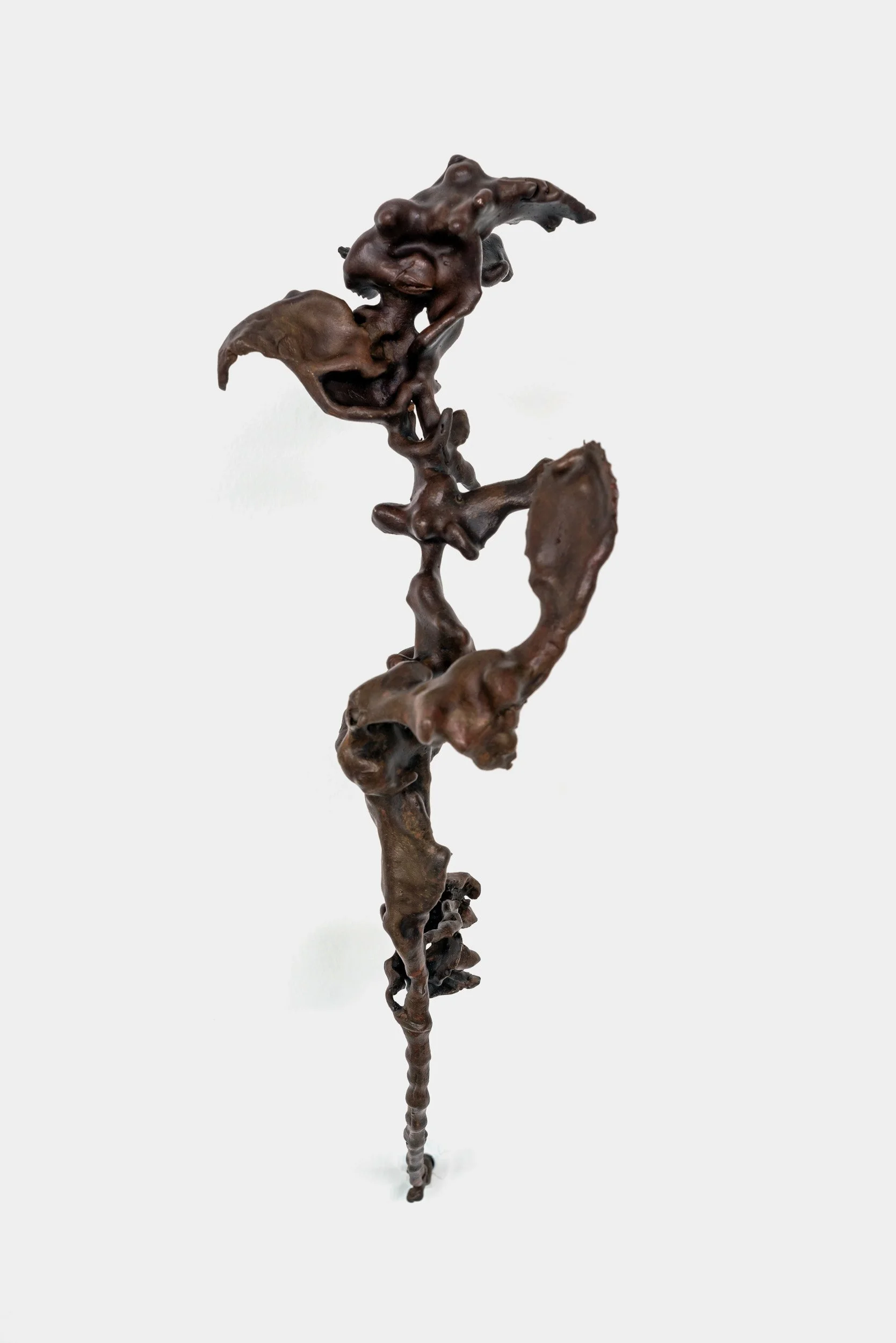
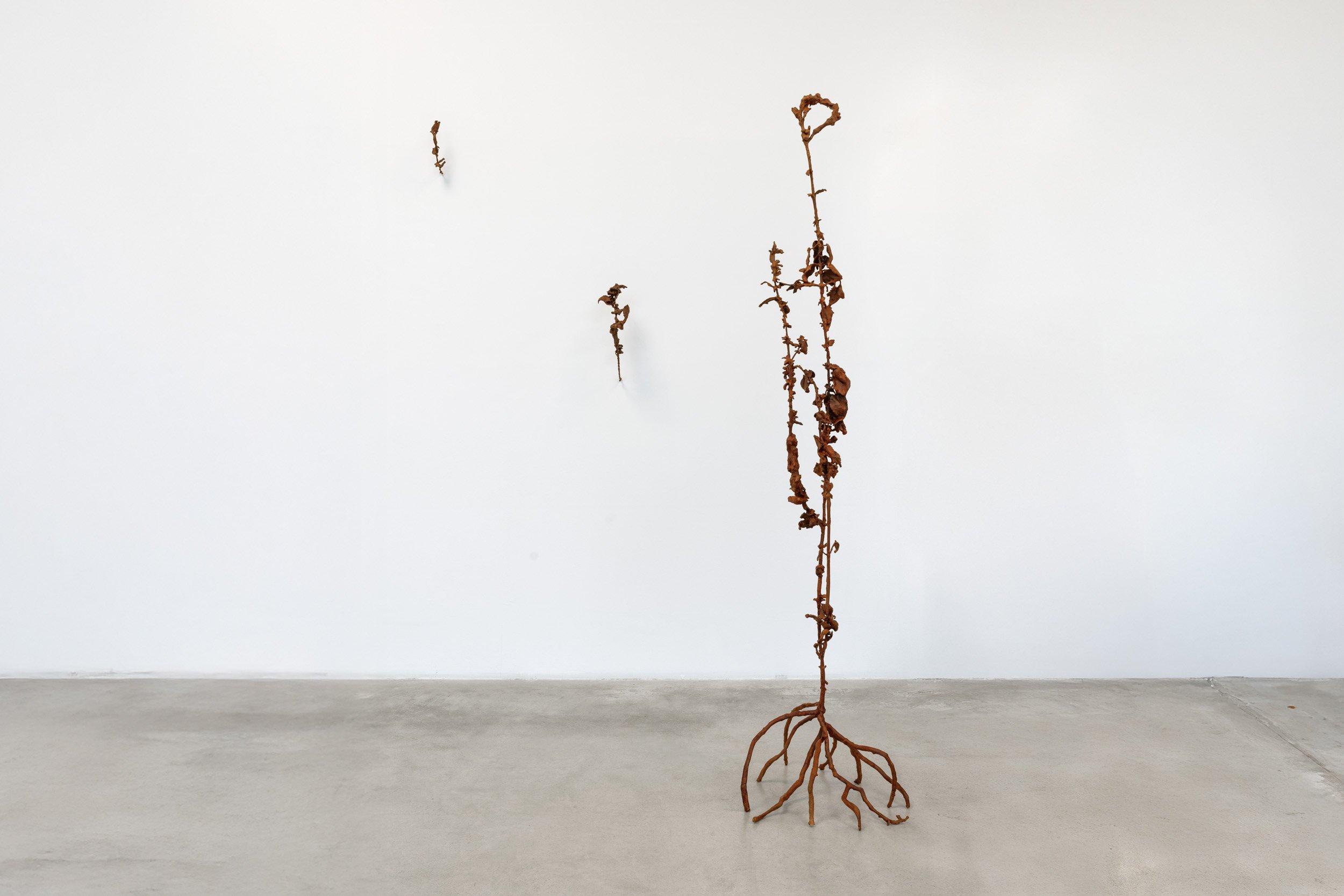
Hyperaccumulators, installation view
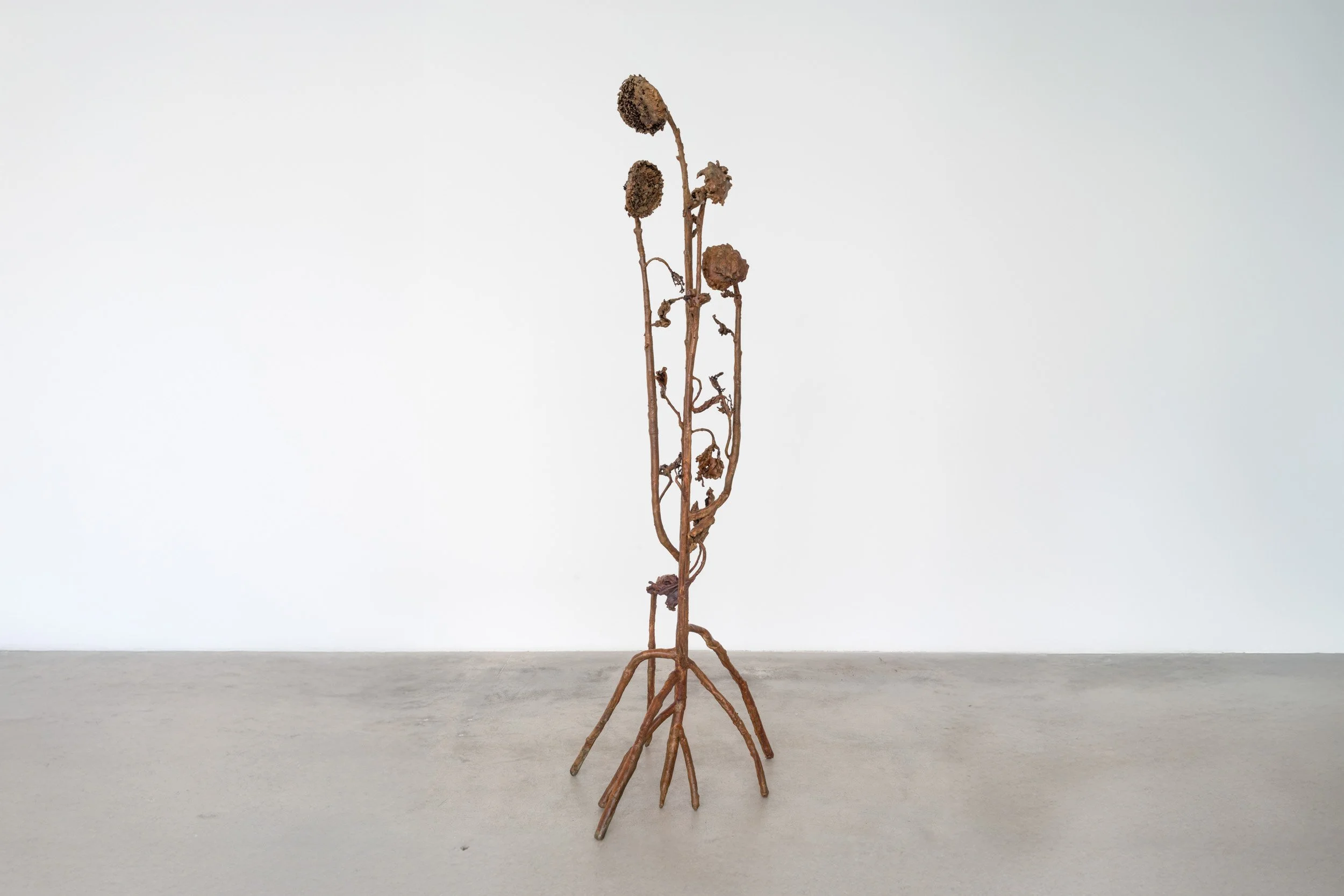
Hyperaccumulator (Slava Ukraini), 2025
bronze
200 x 70 x 50 cm
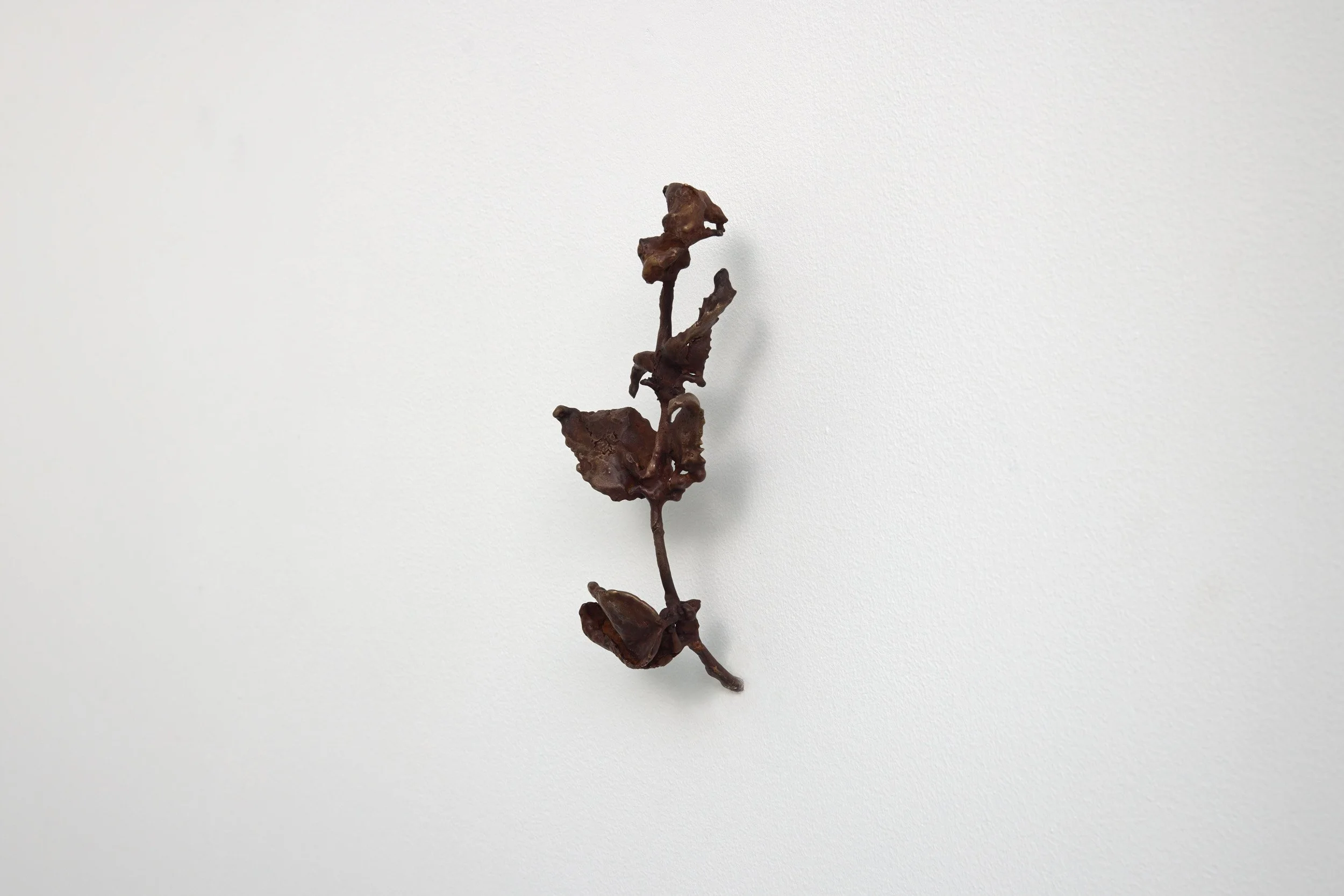
Hyperaccumulator (taki mały), 2024
bronze
20 x 9 x 6 cm